 Autolite QA
Two hundred red tests. Three actual problems.
When a nightly run goes red, someone loses a morning working out why. Our AI triage reads logs, stack traces, screenshots, and the code diff, groups failures that share a root cause, and labels each group: real product bug, broken test, environment issue, or known flake. Your team starts the day with a short list, not a wall of red.
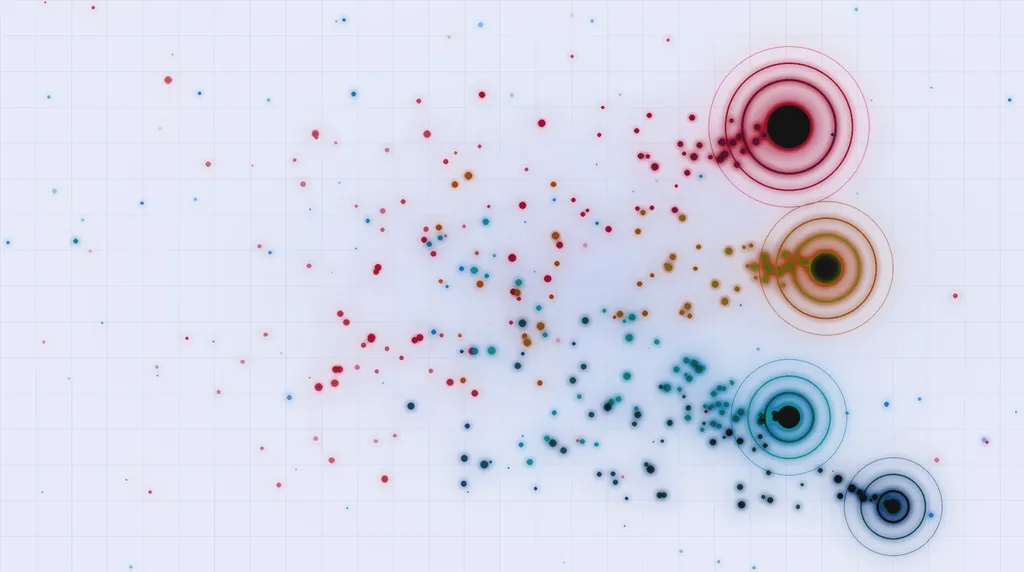
From noise to root causes
Failures are clustered by shared signature, then labelled. One backend timeout stops looking like forty separate bugs.
What’s included
Failure clustering
Failures with the same signature are grouped, so one broken dependency shows up as one issue, not forty.
Root-cause hypotheses
The model compares logs and traces with the commits since the last green run and proposes the most likely cause, with its reasoning shown.
Flakiness scoring
Every test gets a flakiness score from its run history. Chronic offenders are quarantined automatically and queued for a fix.
Memory of past triage
Decisions your team made before are remembered, so the same failure is never analysed from scratch twice.
Tickets that write themselves
Confirmed product bugs are drafted as Jira or Linear tickets with logs, screenshots, and the suspect commit attached.
Posted where you work
A plain-English summary lands in Slack or Teams and on the pull request, minutes after the run finishes.
Four steps, no surprises
- step 1
Collect
Gather logs, traces, screenshots, and diffs from every run.
- step 2
Cluster
Group failures that share a root cause.
- step 3
Label
Classify each group as bug, test, environment, or flake.
- step 4
Act
Draft tickets, quarantine flakes, and notify the owner.
Tools we work with
Tool-agnostic by principle — we recommend what fits your stack, not what we prefer.
Common questions
What if the AI gets the root cause wrong?+
It proposes; it doesn’t decide. Every hypothesis shows its evidence, and labels are confirmed by an engineer until accuracy on your suite has been proven.
Does this work with our existing reports?+
Yes. We plug into the reports and artifacts your CI already produces — JUnit XML, Allure, Playwright traces — without rewriting tests.
Keep exploring
Requirements to automation codenew
requirements → tests → code
Agentic test automationnew
planner · generator · healer · mcp
Testing AI & LLM productsnew
evals · red-teaming · guardrails
Self-healing test suites
locators · flows · auto-repair
Autonomous exploratory testing
goal-driven agents · visual ai · a11y
Predictive test selection
test impact · risk ranking · faster ci
AI-powered contract testing
schema drift · change prediction
AI-skilled engineers on demand
staff augmentation · pods
Start with the 2-week Automation Readiness Audit
Fixed scope, fixed price. You get an honest report and a prioritised roadmap, whether or not you hire us for the build.